
Design to Data. Faster.
The gSynth® platform solves the data validation loop essential in drug discovery. By delivering high-fidelity, transfection-ready DNA 3x faster we are the engine for the world's most ambitious labs.
Closing the loop
DNA proves the discovery.
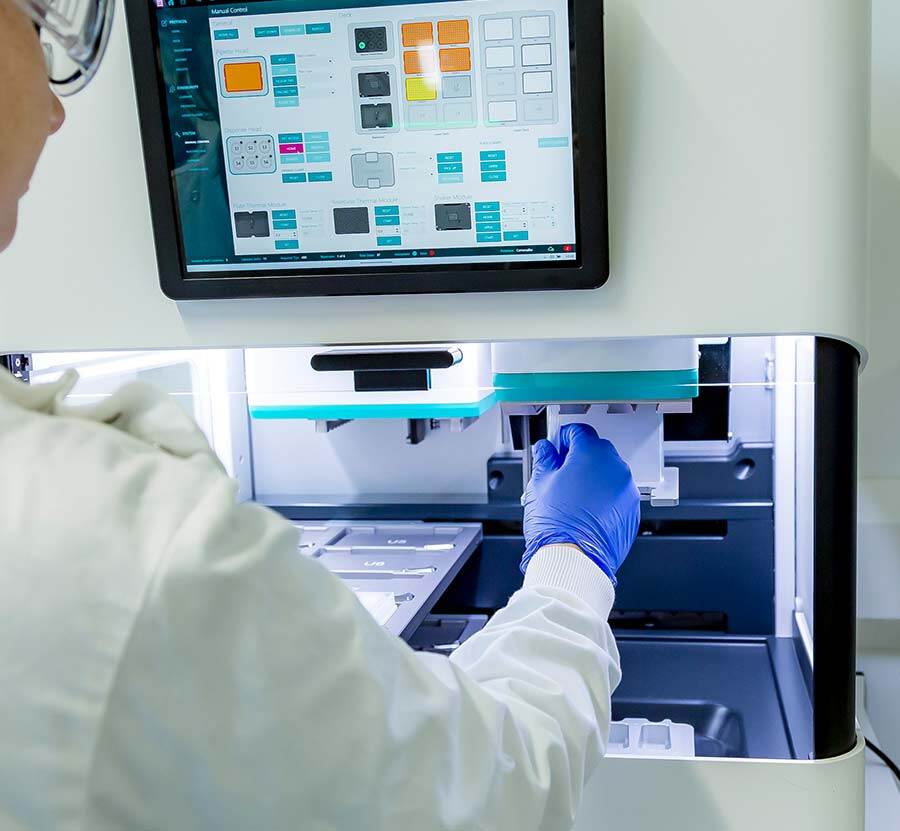
Traditional bottlenecks in the "build" phase can stall your entire DBTL cycle. By delivering transfection-ready constructs 3x faster, we close the gap between digital design and experimental data, reducing discovery time data loops from weeks to days.
Powering next-generation therapeutics
Rising demand for unique DNA templates
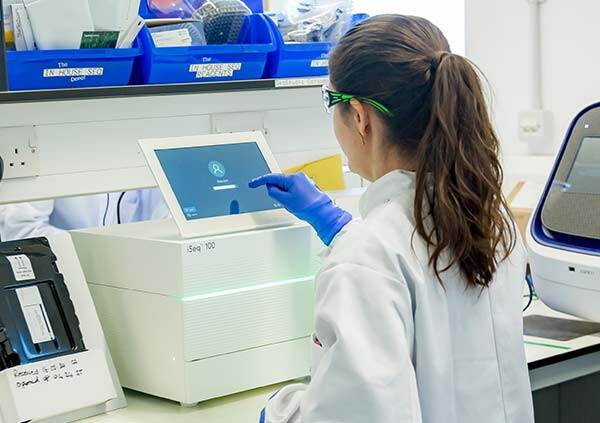
To realise the potential of mRNA vaccines, greater access to gene-length DNA is needed beyond what’s available now.
Overcoming instability and downstream purification
Poor translational efficiency and risk of contaminants are impacting development costs and timescales.
gSynth: the potential to empower vaccine development
Design and manufacture of cell and gene therapies
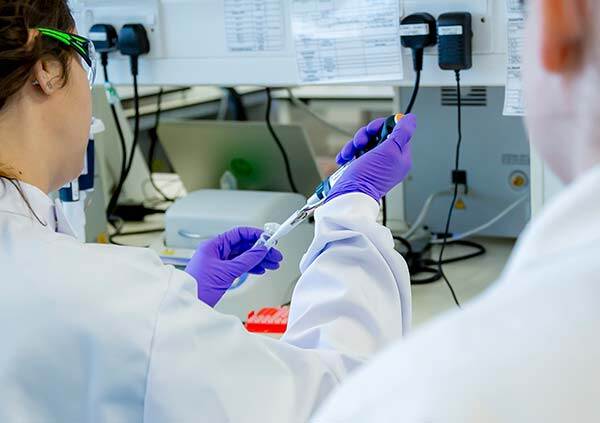
Requires precise DNA synthesis technology for targeting specific tissue types, variable therapeutic payloads, regulatory elements, or inverted terminal repeat sequences (ITRs).
Avoid assembling error-prone sequences and cell-based cloning
Compound errors from traditional chemical synthesis and assembly can require multiple rounds of cloning and repeated steps; adding time and cost to pipelines.
gSynth: an extra chance at developing a life-saving medicine
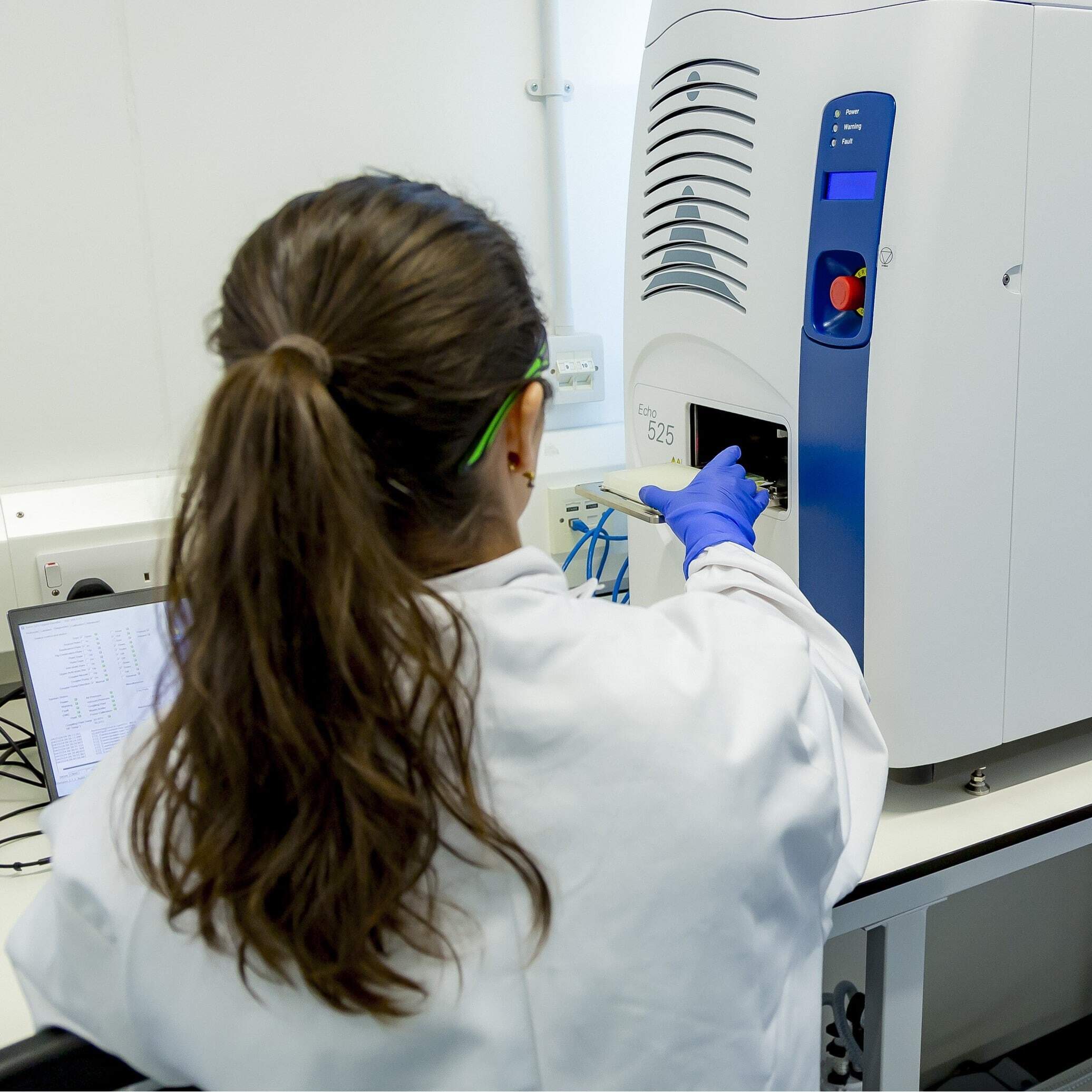
Current DNA synthesis methods can't keep up with CRISPR
Many applications are hampered by the struggle to produce long, accurate, synthetic DNA at scale.
Increase in multiplex editing and screening
Driving demand for greater editing efficiency, controlling regulation, and large inserts.
gSynth: a better way to make DNA
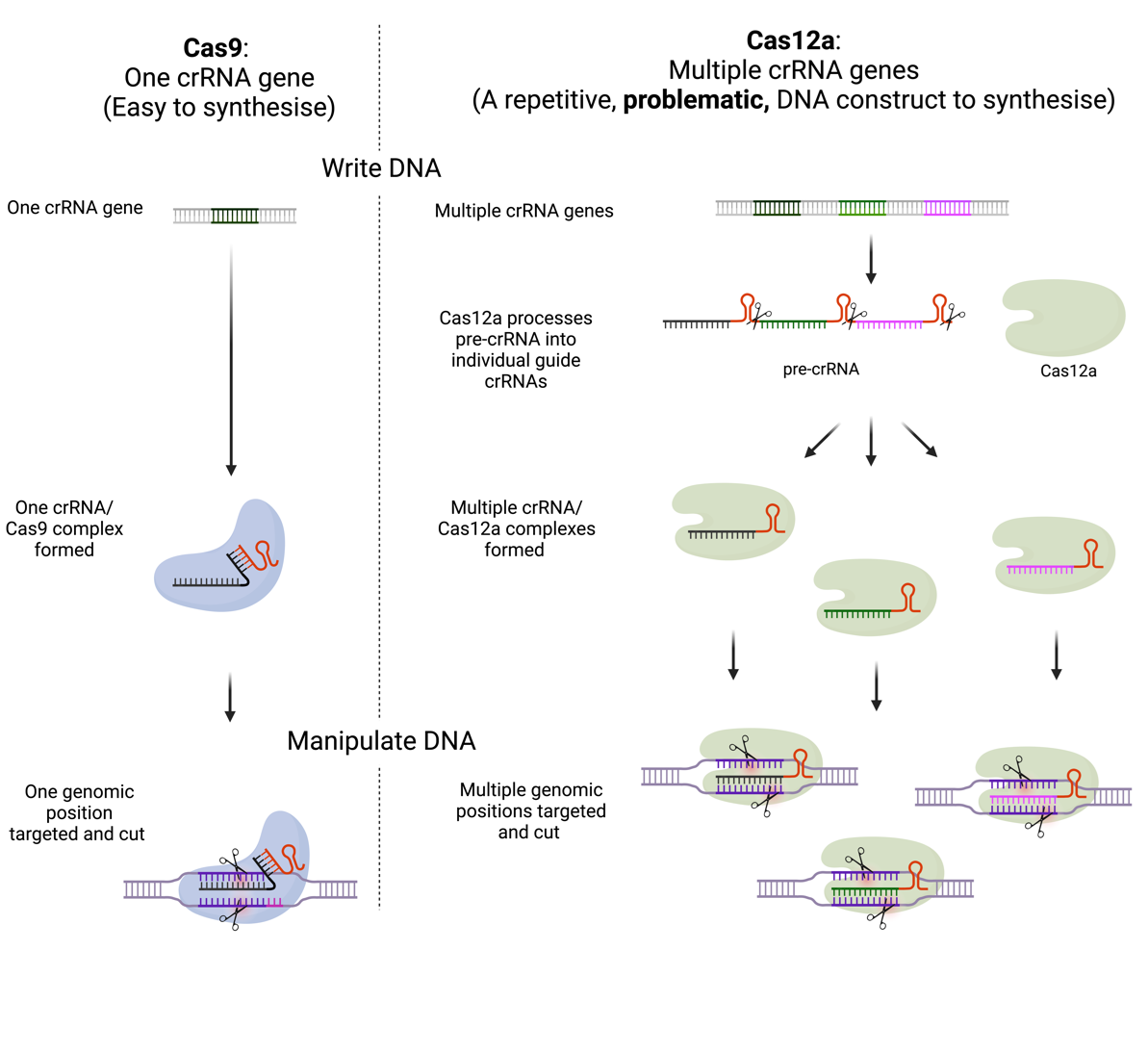
Verified Cas12a constructs
gSynth provides access to complex DNA that has been historically hard to manufacture; including GC-rich promoters, enhancers, terminators, long repeats and in this case, Cas12a constructs.
Accelerating product development with Cas12a constructs
Multiplexed gene editing with CRISPR
CRISPR-Cas9 spurred a genome editing revolution. The Cas9 protein can target and cut a specific DNA sequence when supplied with the right guiding molecule (crRNA) - but it’s limited to a single DNA site. Many genome editing projects target multiple genomic locations, and multiplexed editing is required.
Unlike Cas9, Cas12a can process its own guiding molecules. This unique capability allows Cas12a to process a single pre-crRNA array, encoding multiple target DNA sequences, into multiple guiding molecules, enabling it to make modifications across multiple genetic locations.
gSynth® has enabled customer discovery pipelines by synthesising the long, complex and highly repetitive sequences required to make pre-crRNA arrays.
Image produced via Biorender
Our latest insights and news

Camena Bioscience appoints Gregory P. McGuinness as CEO
2 minute read
Download press release Internationally recognised business executive with extensive operational experience in life sciences, diagnostics and pharma Appointment will lead strategic growth plans, including commercialisation of the gSynth® platform for AI-driven antibody discovery, and operational scaling
Camena relocates to Sidney Sussex Building
2 minute read
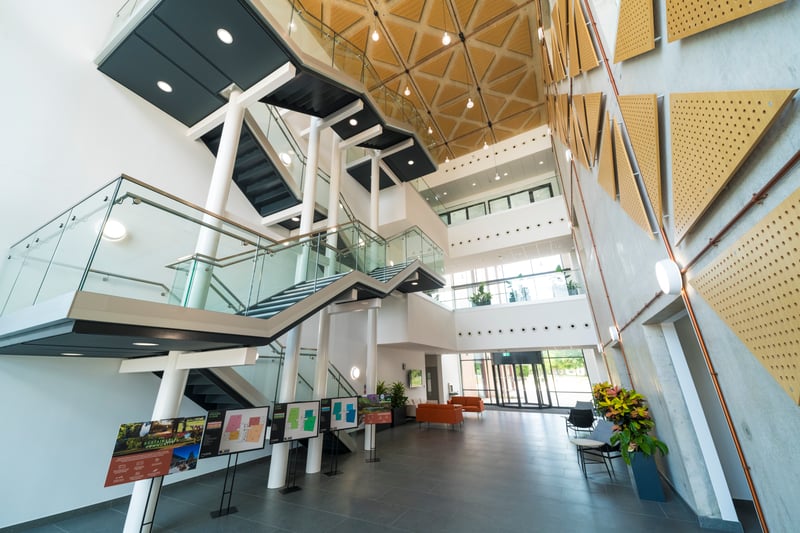
Cambridge, UK, 28th April 2026: Chesterford Research Park has secured the first letting at the newly completed Sidney Sussex Building, with Suite 5 (2,910 sq ft) taken by existing occupier Camena Bioscience (Camena).
The codon optimisation challenge
3 minute read
Life's code isn't strictly in DNA, it's also where information is translated into proteins. Consequently, changing a gene's codons can disrupt its protein function. Even the FDA think this topic is important.